Article
July 27, 2026
Disaster recovery beyond compliance: Four ways to design smarter housing for resilient communities
Disaster recovery is no longer just about rebuilding after hurricanes, wildfires, or floods. Learn four ways communities can move beyond compliance to design smarter housing, reduce climate risk, and build lasting resilience.

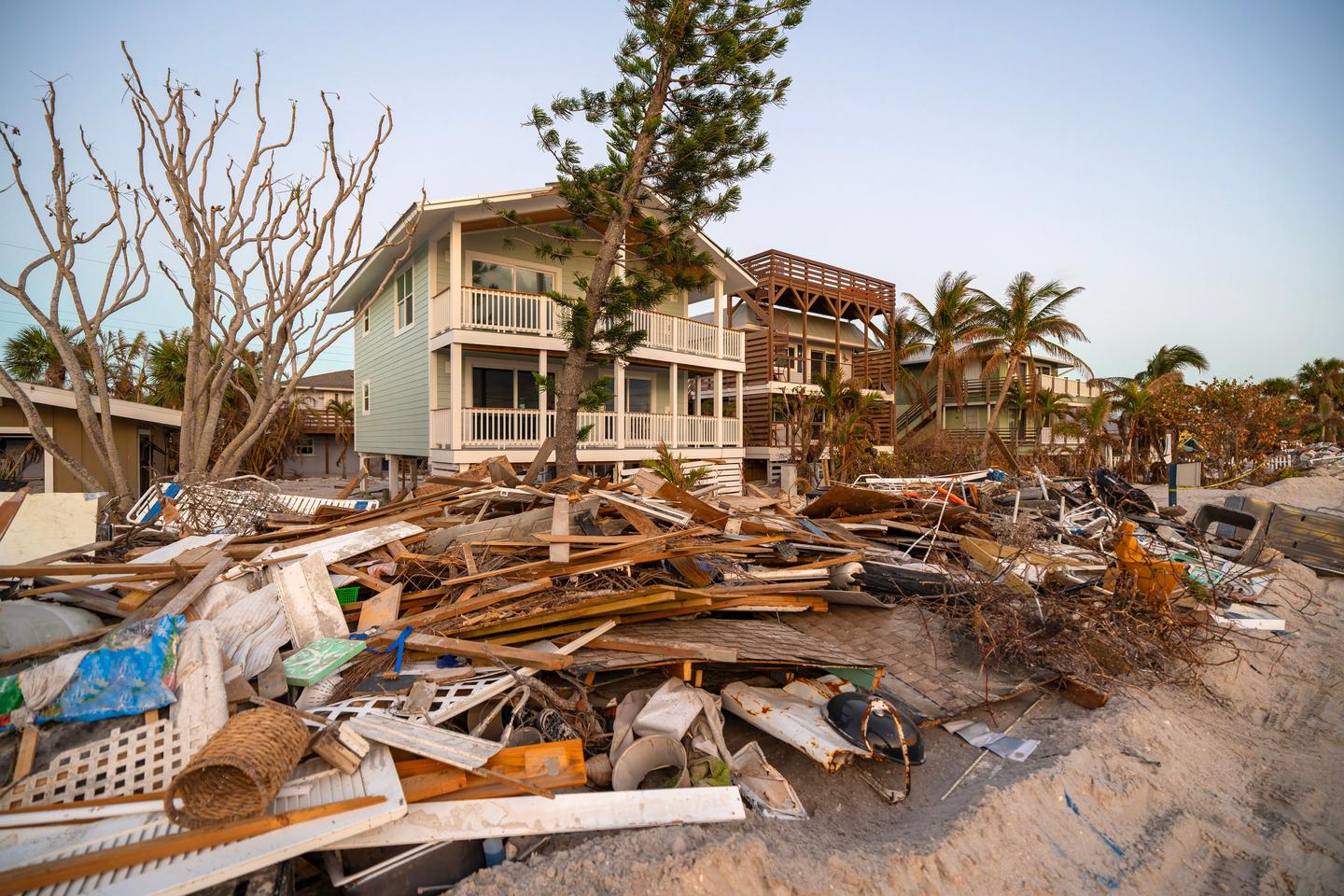
The last two decades have irreparably shaped disaster recovery in the US. Hurricane Katrina (2005) and Superstorm Sandy (2012) brought awareness to the magnitude of devastation caused by natural disasters and forever changed the way we recover and prepare. More recently, Hurricane Helene (2024), the destructive Los Angeles area wildfires, and devastating Texas flooding in 2025, will be defining moments of this generation, reminding us of the increasing frequency and severity of these events.
What we’ve learned in this time is that resilience is no longer a buzzword. It’s a strategic decision and a discipline to be honed. Decades of HUD- and FEMA-funded programs have tied disaster recovery to resilient outcomes, setting objectives and metrics that go beyond mere restoration to pre-disaster conditions. Environmental review procedures under NEPA have been a core part of that journey, serving not just as a compliance exercise, but as a lever to shape better housing, infrastructure, and economic outcomes when federal dollars are involved.
Designing just for compliance will not create future resilience. Now is the time to build smarter and not simply plan for the next severe weather event but mitigate its impacts on communities. Below our experts detail four ways to start thinking beyond compliance.
1. Design for the future, learn from the past
Disasters are evolving as hazards intensify and compound. Design decisions should reflect future risk, multihazard risk profiles and higher performance standards, not just historical events and outdated building codes. Combine flood, storm surge, wind, wildfire, heat, and severe storm analyses to get a complete picture of future events. Incorporate weather-related models and projections, future floodplain mapping, and compound-risk scenarios (e.g., wind plus surge plus prolonged outages).
Establish performance targets above code by defining acceptable downtime, displacement, damage states, and recovery timeframes for critical systems before design begins. And then translate targets into requirements. Elevate habitable floors above projected future flood levels; harden building envelopes to exceed expected wind loads; specify ember-resistant assemblies in wildland urban interface (WUI) zones; incorporate passive survivability features (habitable temperatures, natural ventilation and lighting, onsite water and renewable energy storage); and provide isolated offgrid sources of backup power for critical loads.
2. Turn compliance into a design lever and integrate advancements
Treat environmental review, permitting, and grant conditions as opportunities to drive better outcomes and leverage housing, infrastructure, and economic recovery to advance resiliency.
Select alternatives that offer safer, more resilient solutions. Choose sites and designs that minimize exposure and reduce lifecycle costs. Strategically integrate housing with enabling infrastructure. For example, address cumulative impacts by co-planning infrastructure projects involving stormwater, energy, wastewater, mobility, and broadband with residential recovery to prevent “islands” of vulnerability. Map interdependencies — pump stations need power; elevators need long-duration backup; cooling centers need microgrids — and design accordingly.
3. Build a learning program: readiness, metrics, pilots, and scaling
Recovery moves fast. Organizations need tools, data, and feedback that maintain a focus on resilience, while allowing for accelerated delivery. Thus, we recommend developing recovery playbooks before disaster strikes. Create eligibility matrices for major funding programs, plans for outreach, templates and procedures for environmental review, benefit-cost analysis frameworks, hazard/risk analysis, and procurement packages with resilience requirements. Track assets, social vulnerability, critical facilities, and access routes to sequence projects for the greatest risk reduction and to protect essential services.
For even more advanced analysis, communities can define outcome metrics such as avoided losses, reduced displacement days, critical system uptime, heat safety hours, and time to restore baseline services. Tying these metrics to grant reporting and operations and maintenance allows communities tlo continually improve these metrics.
Another way to enhance program learning is to launch pilot projects (e.g., a multifamily rehab with passive survivability, a neighborhood microgrid, a district stormwater retrofit), evaluate rigorously, then convert lessons learned into recovery standards, program guidelines, design specifications, and portfolio-wide playbooks.
Being prepared to manage resilience-focused recovery effort, responsive to data trends in tracking metrics, and vetting concepts through pilot projects, enables communities to efficiently and effectively adapt and scale their recovery effort to appropriately respond to the needs of the community.
4. Partner with trusted advisors
Create partnerships between communities, consultancies, agencies, and contractors. Collaboratively designing and implementing resilience and mitigation programs can encourage innovative risk reduction projects, avoid impacts to natural and protected resources, better prepare the community for future disasters, and significantly improve recovery results.
Turning recovery into lasting resilience
As we’ve learned over the last two decades of successful programs and meaningful engagements with our clients, the key to a truly resilient community is not simply to “build back better,” but to “build forward smarter.” When clients adopt hazard planning and risk-based targets, disaster recovery becomes an investment that lowers long-term cost, strengthens communities, and honors federal intent rather than a series of quick fixes that aren’t designed to keep pace with our evolving societies, nature, and climate.